PG&E BORING
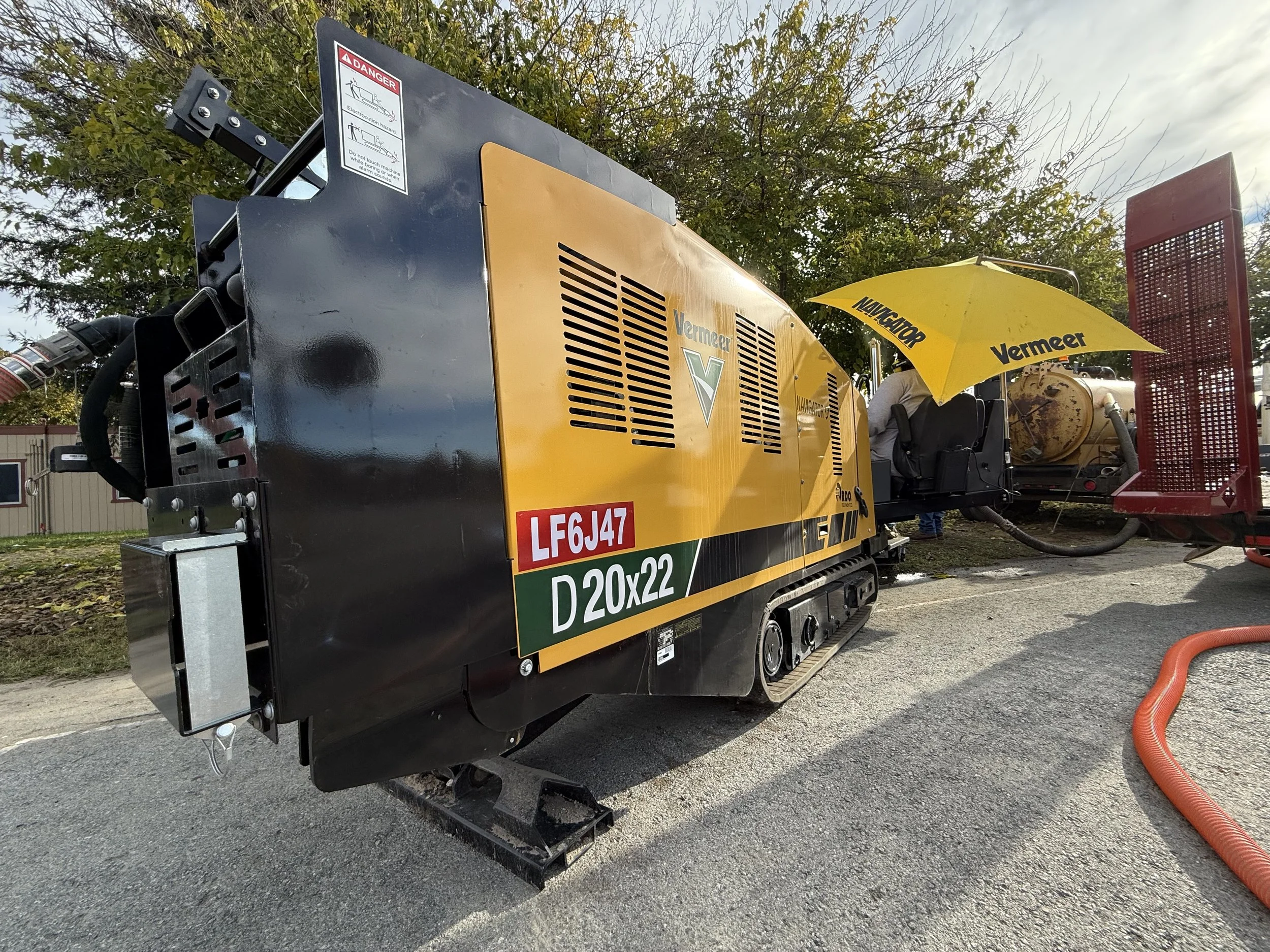
Horizontal Directional Drilling for PG&E Utility Installations.
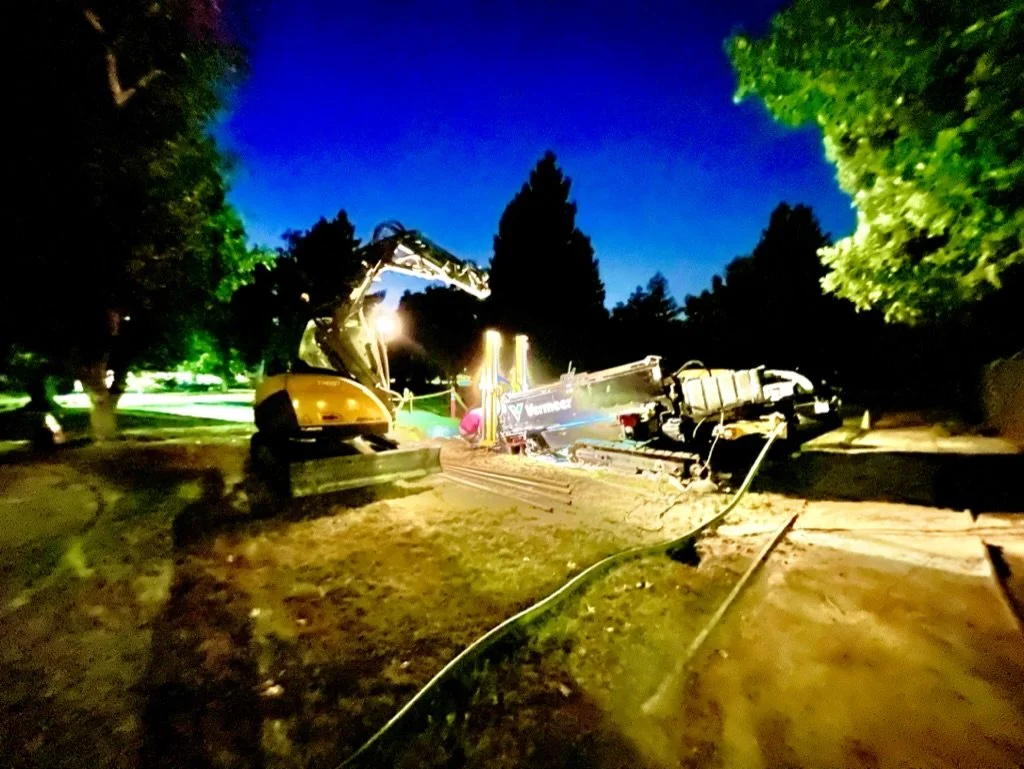
Apex Directional Drilling provides complete horizontal directional drilling services for PG&E utility work, including all field coordination, documentation, utility verification, and support operations required to safely complete the bore and obtain clearance to proceed. Our scope includes pre-construction planning, utility locating coordination, cross bore investigation, sewer and storm mapping, camera inspection logs, potholing of crossing utilities, traffic control planning, traffic control implementation, flagging, drilling operations, conduit pullback, and closeout documentation.
Pre-Construction Coordination
Contractor shall review all available utility plans, PG&E design documents, civil drawings, and site conditions prior to mobilization. This includes verifying bore alignment, entry and exit locations, access routes, staging areas, restoration limits, and known utility conflicts. Coordination with PG&E, the owner, general contractor, inspectors, traffic control designers, and affected agencies shall be performed as required to prepare the project for safe drilling operations.
Utility Locating and Existing Facility Verifica
Contractor shall coordinate Underground Service Alert notifications and all required public and private utility locating prior to excavation, potholing, or drilling. Existing facilities including gas, electric, telecom, water, sewer, storm drain, irrigation, and miscellaneous underground improvements shall be reviewed in the field. Paint and record mark-outs alone shall not be solely relied upon where positive verification is required. Critical crossings and conflict points shall be verified by hydrovac potholing, hand excavation where necessary, and field documentation of actual utility depth and alignment.
Cross Bore Investigation, Mapping, and Sewer Camera Documentation
Where required by PG&E or project conditions, contractor shall coordinate and compile cross bore investigation documentation for the proposed bore route. This includes mapping and tracing of sanitary sewer laterals, sewer mains, storm drain lines, and other subsurface facilities that may create a cross bore risk. Camera inspections, sewer camera logs, video files, still photographs, sonde tracing, rodder locating, and field notes shall be collected and organized into a cross bore documentation package. Mapping shall identify known and traced lines, approximate depths where obtainable, crossing points, and potential conflictsSubmittals to PG&E for Bore Clearance
Contractor shall assemble and submit required pre-bore documentation to PG&E for review and clearance to drill when such review is part of the project requirements. Submittals may include utility locating records, pothole verification logs, cross bore paperwork, sewer and storm mapping exhibits, camera logs, traffic control approvals, and any additional field verification documents required by PG&E. Drilling operations shall proceed only after required clearance is received or as otherwise directed by the project’s authorized utility representative.
Traffic Control Plan Design and Traffic Control Implementation
Contractor shall provide or coordinate traffic control plan design in accordance with applicable agency standards, permit requirements, and project conditions. Once approved, the contractor shall furnish and maintain all required traffic control measures for the work, including signs, cones, delineation, lane closures, pedestrian routing, and work zone protection. Traffic control shall be adjusted as necessary to safely accommodate hydrovac operations, potholing activities, drilling equipment, support vehicles, and restoration work.
Flagging and Public Safety
Contractor shall provide trained flaggers as required by the approved traffic control plan, permit conditions, roadway conditions, or field operations. Safe access for residents, businesses, pedestrians, and emergency responders shall be maintained to the extent reasonably possible during construction. All operations shall be performed with attention to public safety, utility protection, and preservation of adjacent improvements.
Hydrovac Potholing of Crossing Utilities
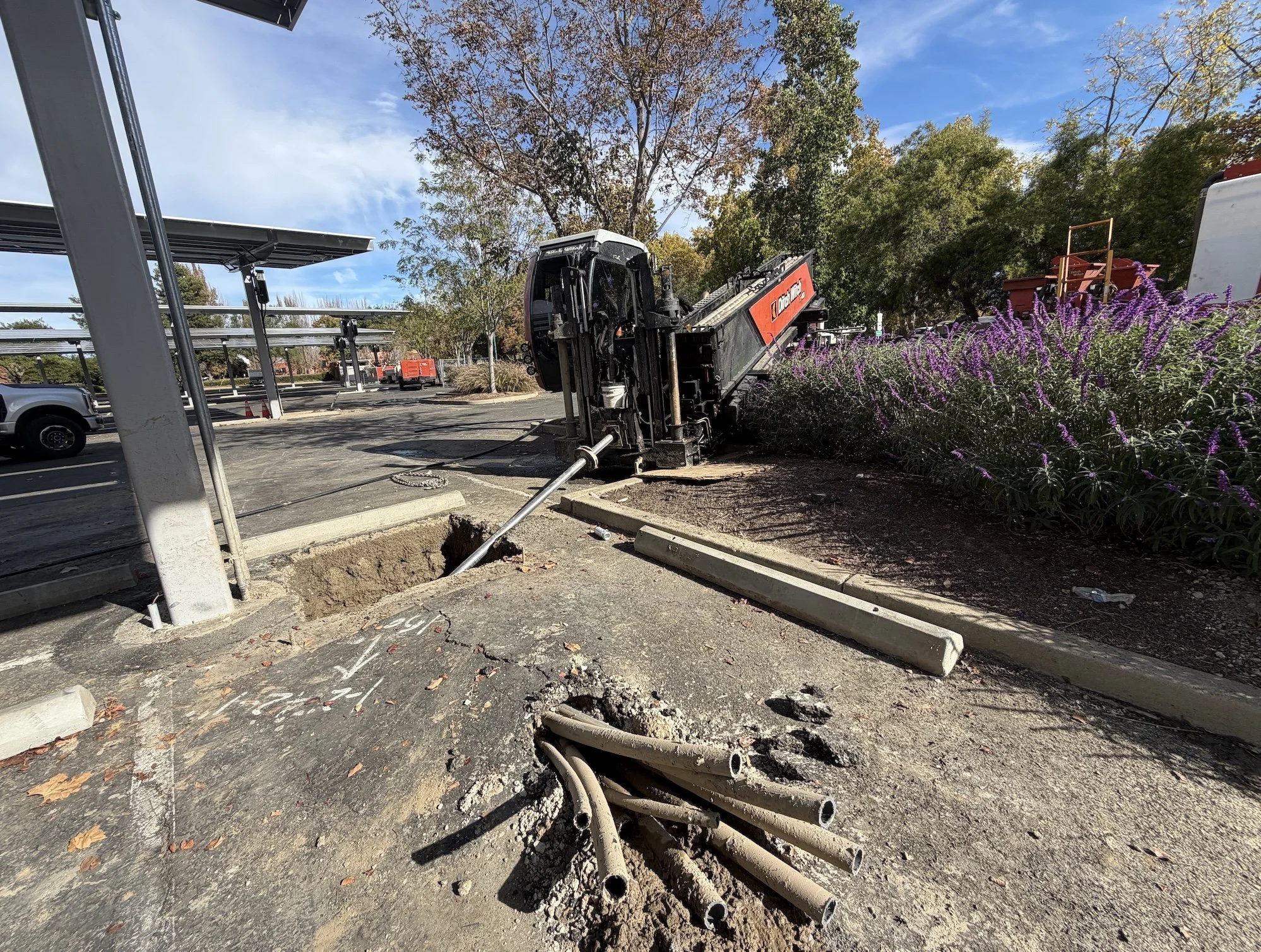
Contractor shall perform hydrovac potholing at utility crossings, conflict points, tie-in locations, and any other locations necessary to verify underground utility position before drilling. Vacuum excavation methods shall be used to reduce the risk of damage to existing facilities. Hand excavation shall be used where required to safely complete exposure. Exposed utilities shall be protected during operations, and pothole information including utility type, depth, and alignment shall be documented for use in bore planning and project records.
Horizontal Directional Drilling Operations
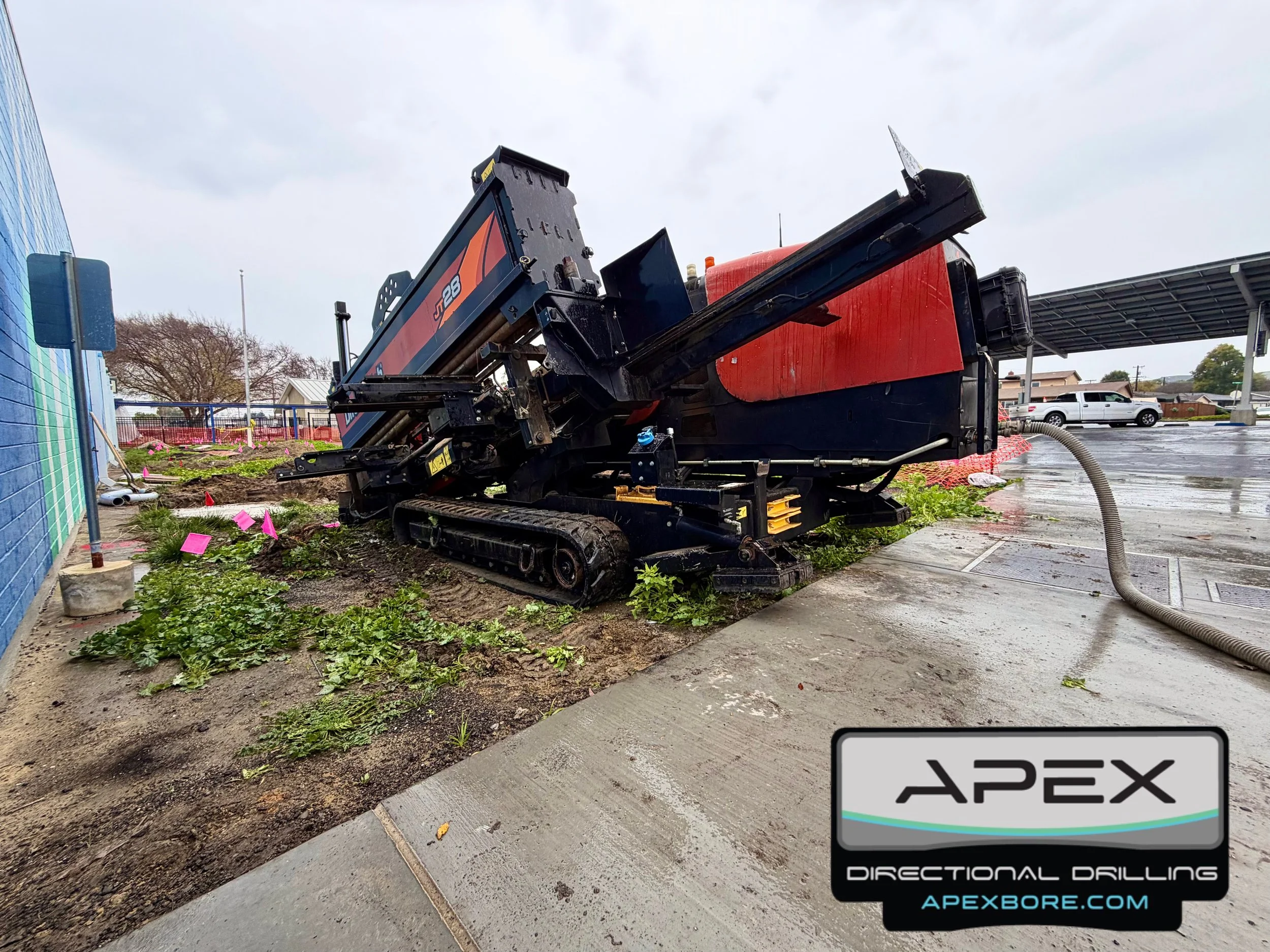
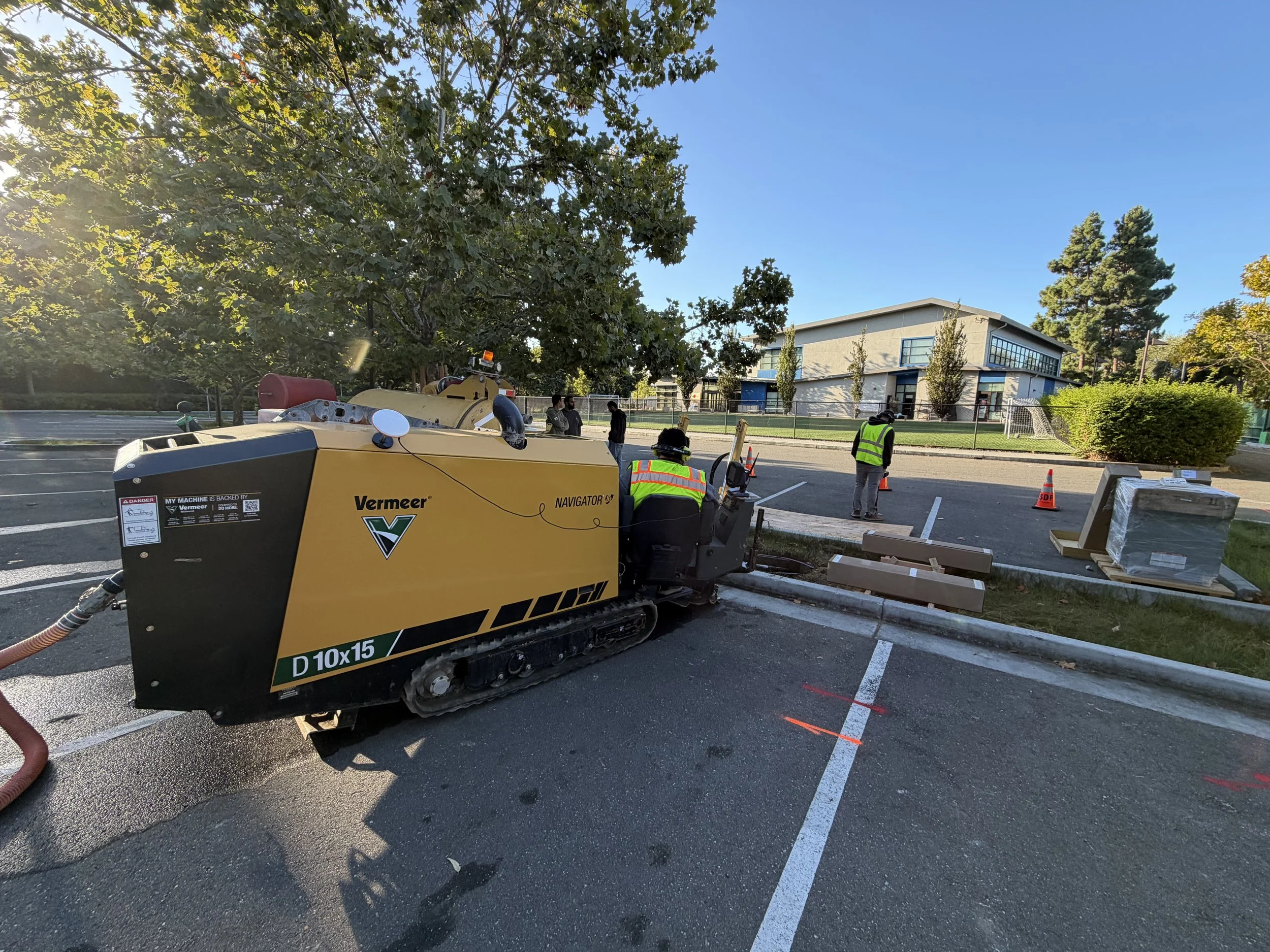
Contractor shall furnish labor, equipment, tooling, guidance systems, drilling fluids, and supervision necessary to complete the horizontal directional drill installation. Work includes pilot bore installation, bore path tracking, steering, reaming as required, and final pullback operations. Bore depth and alignment shall be adjusted in the field as necessary to maintain safe clearance from known and exposed underground facilities, subject to site conditions and utility constraints.
Use of Weak Link for Conduit Pullback
Where required or appropriate for the installation, contractor shall utilize a weak link assembly during pullback operations to help protect conduit, fittings, pull heads, and related materials from excessive pulling loads. The weak link is intended to reduce the risk of overstressing the conduit system during installation. Final means and methods for pullback shall be determined by contractor based on conduit type, bore conditions, product limitations, and site-specific field conditions.
Conduit Pullback and Installation
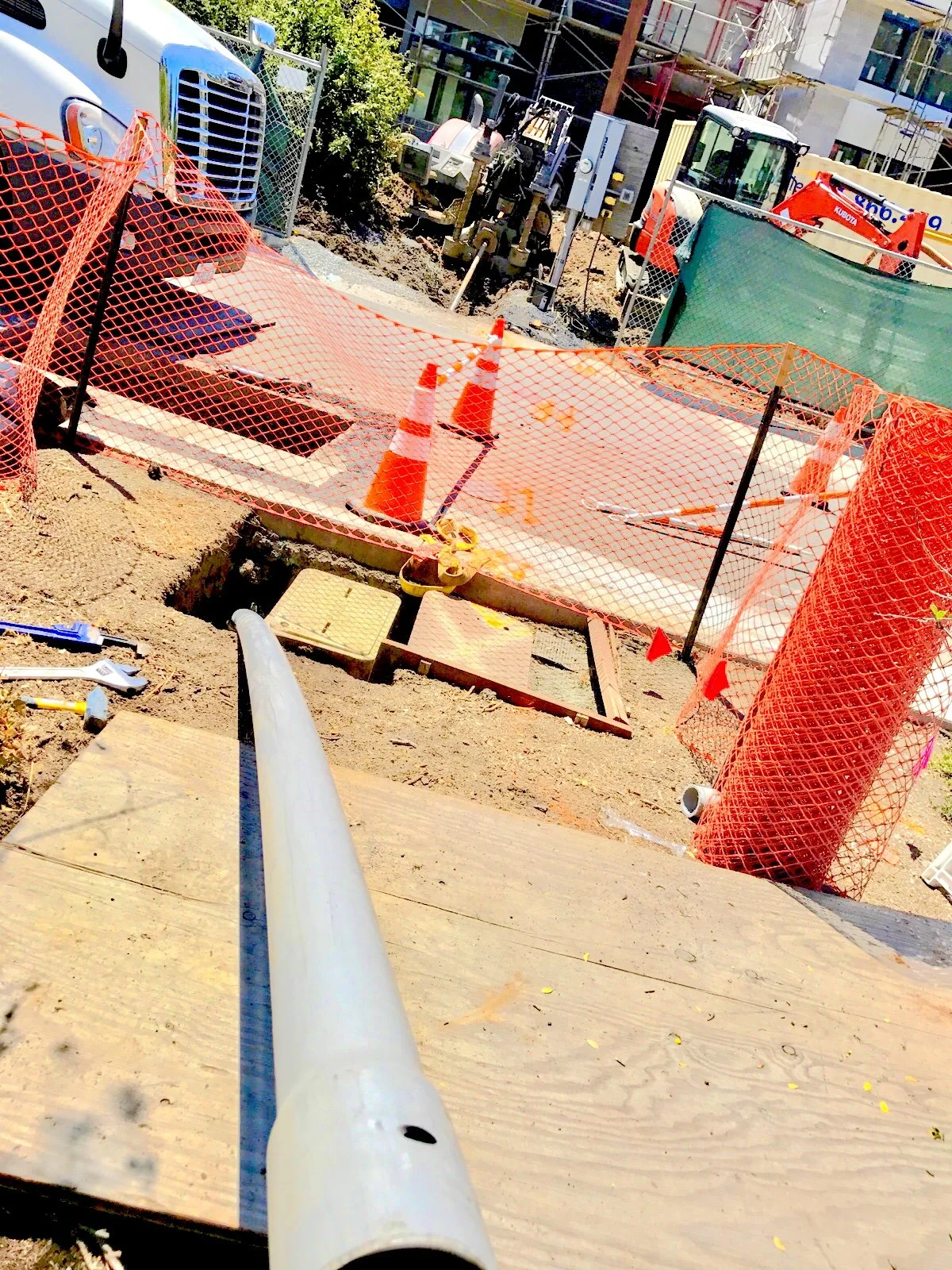
Contractor shall pull in conduit through the completed bore in accordance with approved plans and accepted installation methods. This includes setup of pull assembly, swivel connections, weak link if required, conduit staging, and pullback support. Contractor shall make reasonable efforts to protect the installed conduit during pullback and handling operations. Any pullback lengths, bundle configurations, or conduit assemblies shall be subject to field feasibility and project design requirements.
Support Excavation and Work Area Management
Contractor shall perform all necessary entry and exit pit excavation, support excavation, and drilling support work required to complete the bore. This includes setup areas, spoil containment, drilling fluid management within the immediate work area, and coordination of support equipment. Where required, excavations shall be secured, plated, fenced, or backfilled to maintain site safety and traffic flow.
Project Documentation and Closeout Records
Throughout the work, contractor shall maintain field records related to utility verification, potholing, camera inspections, traffic control, and drilling operations. At project closeout, the contractor may provide available documentation generated as part of the scope, including pothole logs, cross-bore records, mapping exhibits, sewer camera logs, and related support documents as required by contract or utility procedure.
General Scope Summary
This scope is intended to cover a complete PG&E-related horizontal directional drilling operation from planning through bore clearance, utility verification, potholing, traffic control, drilling, conduit pullback, and documentation support. The work is performed with emphasis on safety, protection of existing underground utilities, cross bore risk reduction, and compliance with project documentation requirements necessary to obtain authorization to bore.