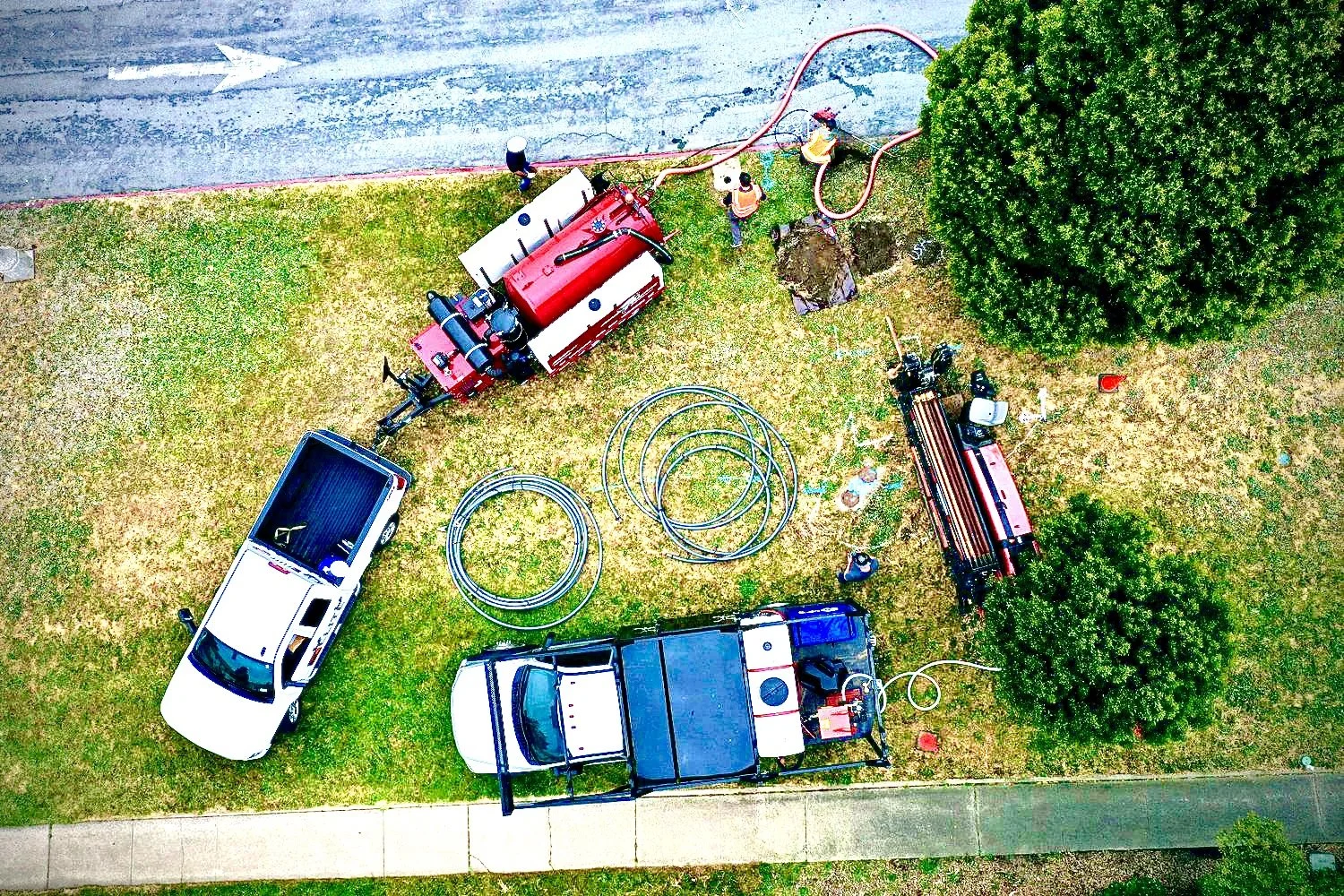
Every bore, every crew, every client interaction is guided by the same five principles. Not slogans — the actual standards we hold ourselves to on every job site, every day.
In underground utility work, there's no hiding from your values. The moment a bore goes off-track, a crew skips a pothole, or a client call goes unanswered — the gap between what you say you stand for and what you actually do becomes very clear, very fast.
At Apex, our values aren't a branding exercise. They're the standards David Lara built the company on from day one — and the standards every project, partner, and crew member is held to. They're what makes the difference between a contractor and a partner.
We've organized them as a pyramid — because like a bore path, each layer has to be solid before the next one can hold.
Like the layers of a bore path — each value builds on the one below it. Safety is the foundation everything else rests on. Without it, nothing above it holds.
Each layer depends on the one below — Safety supports everything above it.
Underground utility work is inherently hazardous. Every bore crosses gas lines, electric conduit, fiber, water — infrastructure that, if struck, causes serious harm. Safety isn't a checkbox — it's the entire basis of how we plan and execute work.
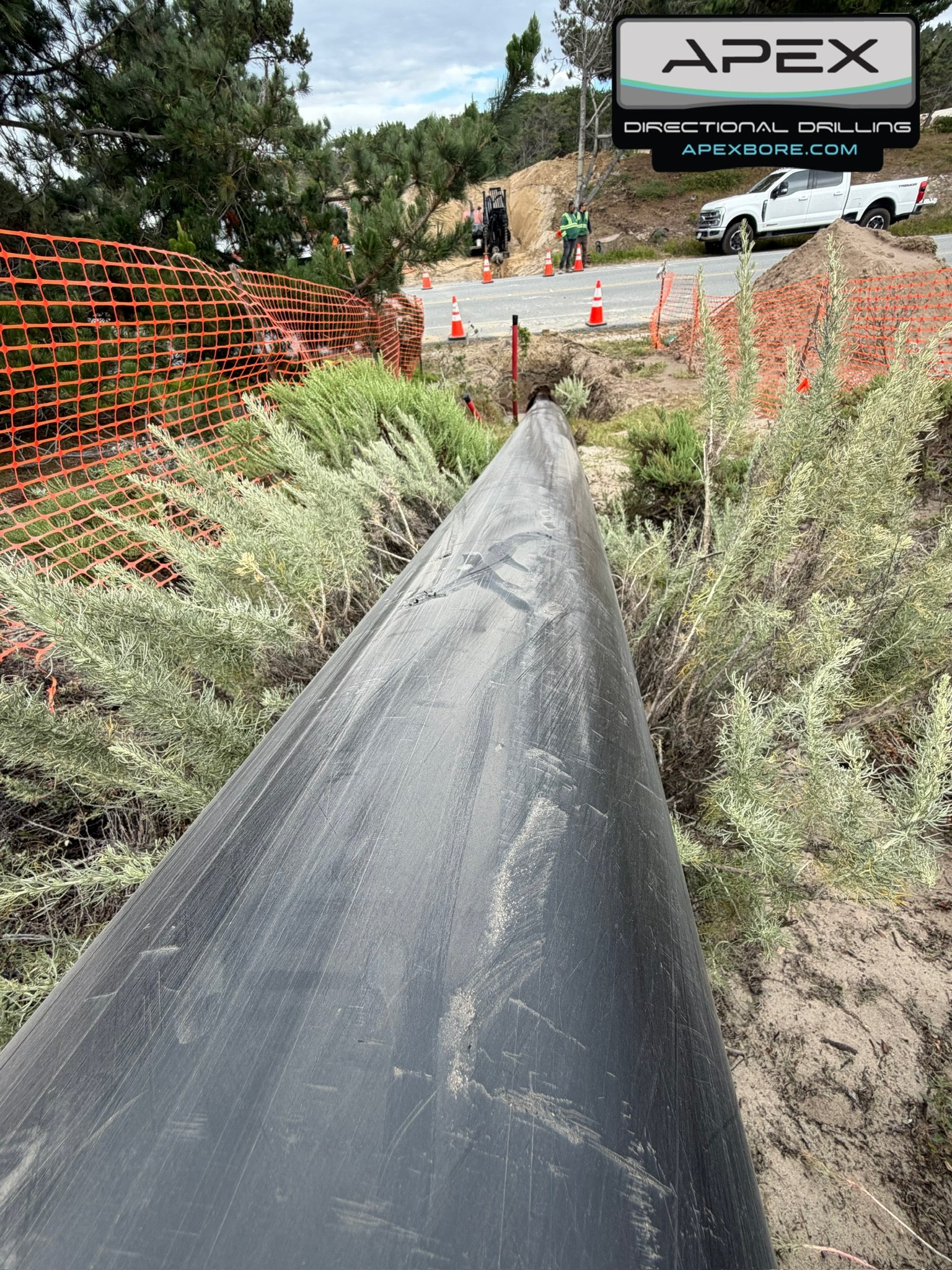
We USA 811 notify, privately locate, and hydrovac pothole every conflict point before a drill rod moves. Our OSHA-certified shoring agent is on every open trench job. Any crew member has the authority — and the expectation — to stop work if something doesn't look right.
Precision is what separates a professional HDD contractor from a gamble. Every bore path we plan uses the DCI TeraTrak R1 GPS terrain mapping system — real-time topography, marked utility conflicts, and waypoints before we ever set up the rig.
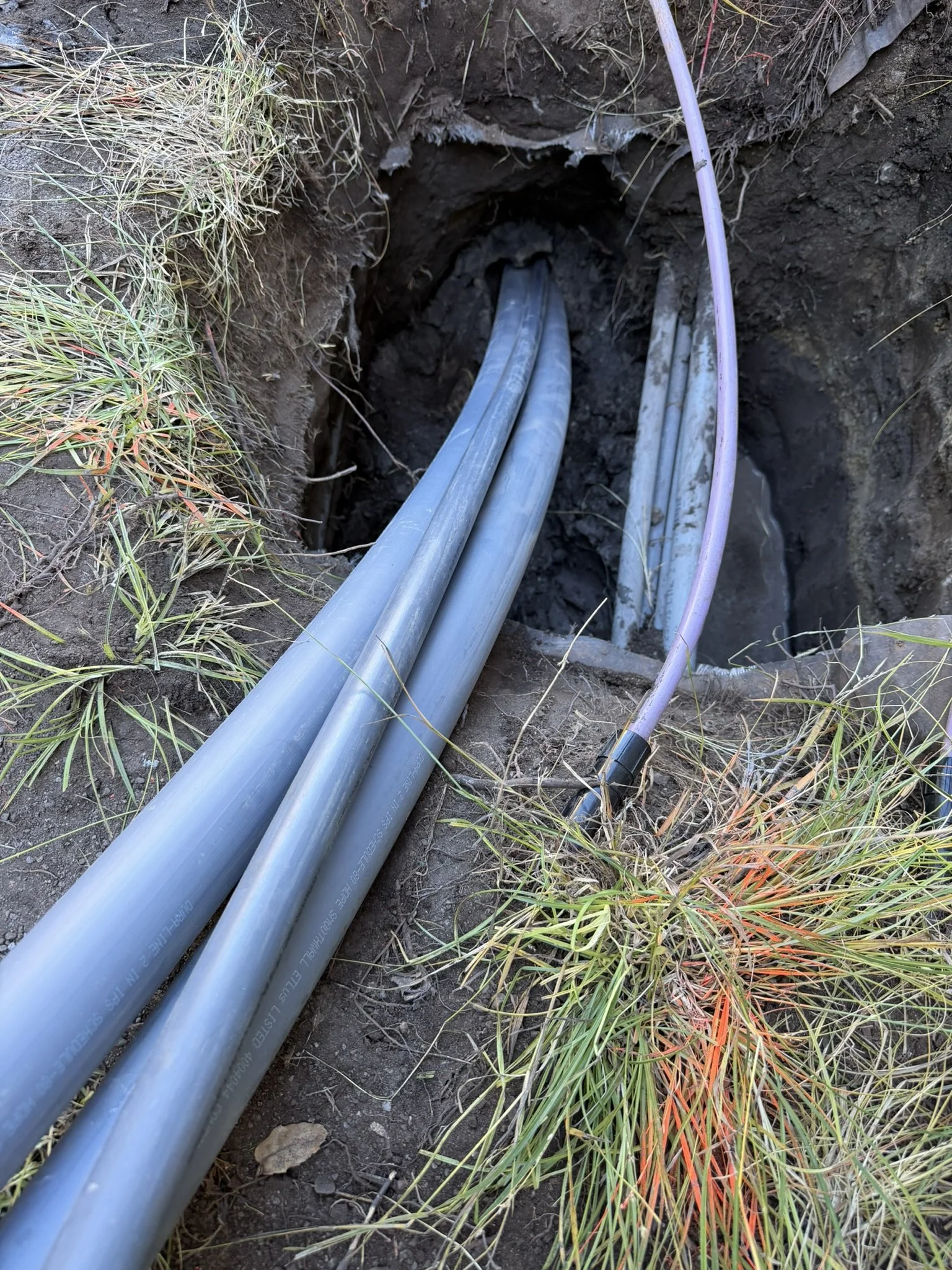
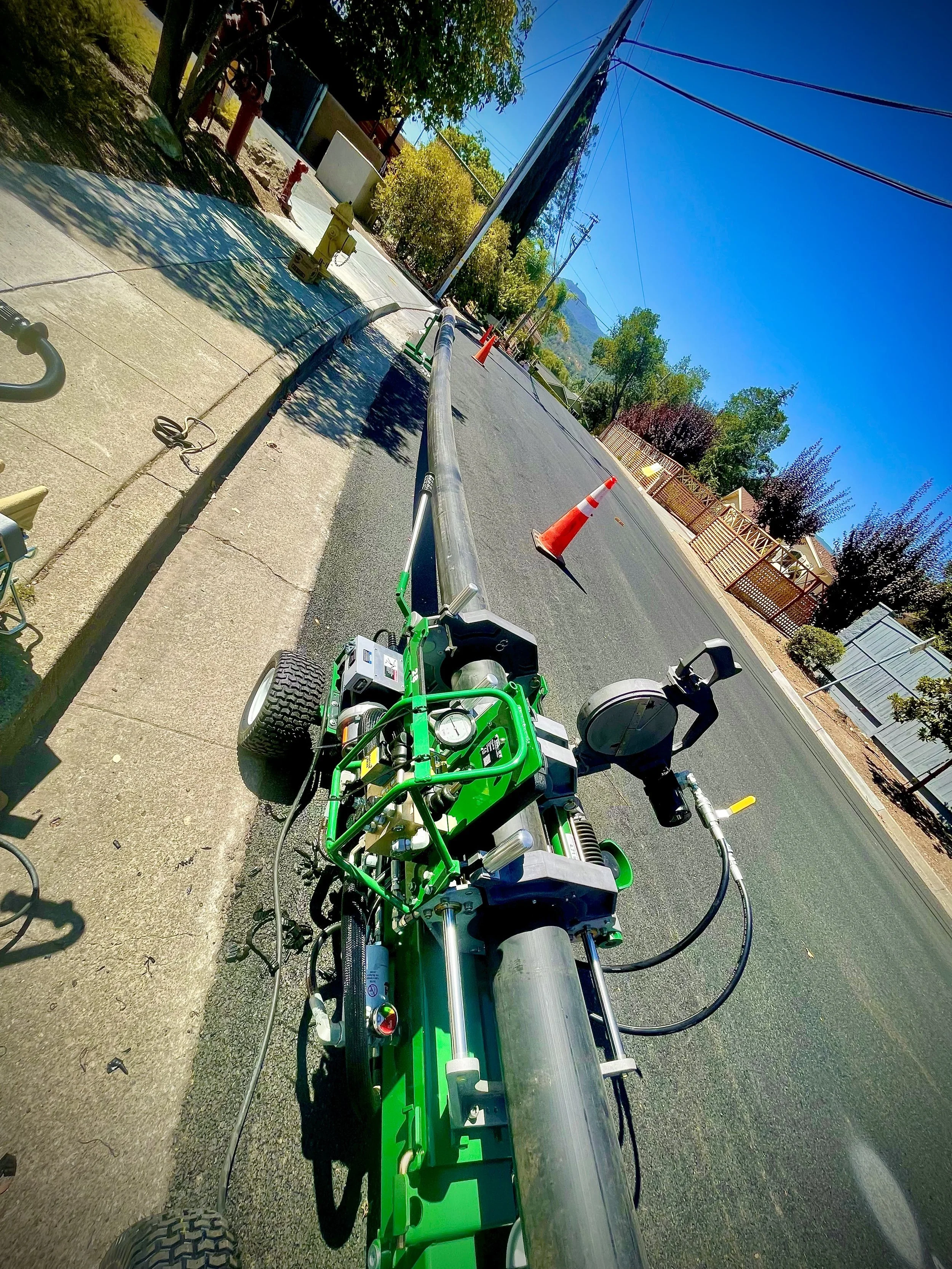
We match our drilling fluid mix to soil conditions, step up reamer sizing methodically, and track the drill head at every rod joint. The bore doesn't wander. The conduit lands exactly where the plans call for it. That precision protects the client's property and the public infrastructure around it.
Most of what we do happens underground where no one can see it. That means our clients are trusting us completely — that the conduit went where we said it went, that the bore depth is what the paperwork says, that the as-built reflects reality.
We've never altered documentation, buried a problem, or walked away from a callback. If something goes wrong on our watch, we own it, fix it, and learn from it. That's the only way to build the kind of long-term client relationships that drive 80% of our work from referrals.
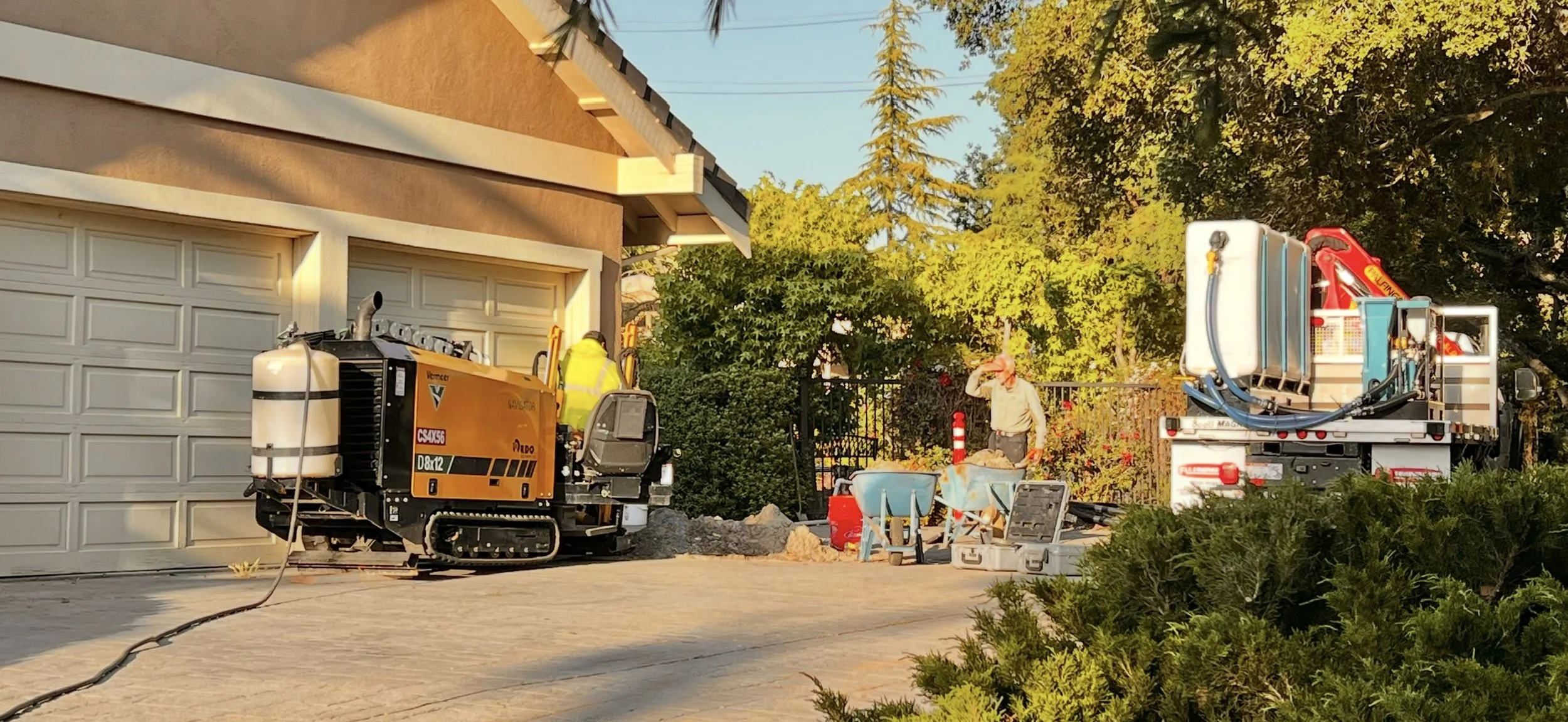
We work in people's front yards, driveways, shared alleys, and backyards every single day. Densely populated Bay Area neighborhoods mean our job site is someone's daily life. We take that seriously.
Trenchless-first isn't just a sales pitch — it's our genuine commitment to minimizing the disruption we create. We stage equipment thoughtfully, keep access open, clean up every day, and restore surfaces to better-than-original condition. The work we do today builds the infrastructure the community relies on for decades.
David Lara is on the phone, on the job walk, and on the site. Not a salesperson — the owner. When something needs to get done, he doesn't delegate accountability. That culture of personal ownership flows through every part of how Apex operates.
We don't blame soil conditions, utility conflicts, or weather when a project runs long. We plan for them, communicate proactively, and solve them. When a project is complete, we're not done until the client is satisfied — paperwork filed, surface restored, questions answered.